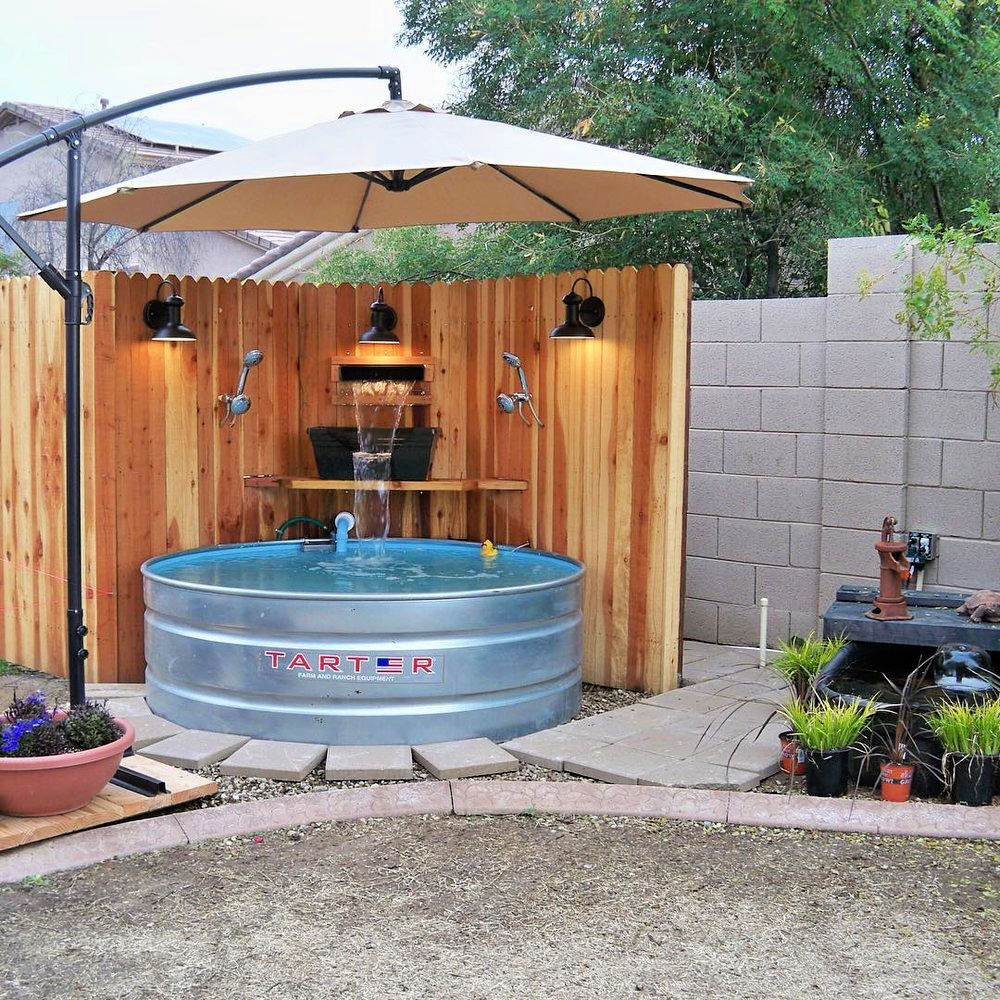
A DIY float tank is a sensory deprivation chamber that you can build at home. It is a large tank filled with Epsom salt water that is heated to body temperature. The Epsom salt water allows you to float effortlessly on the surface, while the darkness and silence of the tank help to deprive your senses. This can lead to a state of deep relaxation and meditation, and has been shown to have a number of health benefits, including reducing stress, improving sleep, and boosting creativity.
To build a DIY float tank, you will need a large tub or tank, a pump and filter system, Epsom salt, and a dark, quiet room to place the tank in. You may also want to add a lid to the tank to keep the water clean and warm.
Once you have gathered your materials, you can begin assembling the tank. Start by drilling a hole in the bottom of the tank for the pump and filter system. Then, install the pump and filter system according to the manufacturer’s instructions.
Next, fill the tank with Epsom salt water. The recommended ratio is 1 pound of Epsom salt for every 10 gallons of water. Once the tank is full, turn on the pump and filter system and let it run for at least 24 hours before using the tank.
To use the float tank, simply enter the tank and float on your back. You can close your eyes and relax, or you can meditate or listen to music. Stay in the tank for as long as you like, but it is recommended to start with 30 minutes to an hour.
After you are finished using the float tank, drain the water and rinse the tank with fresh water. This will help to prevent the growth of bacteria. You should also clean the pump and filter system according to the manufacturer’s instructions.
Here are some additional tips for building and using a DIY float tank:
- Make sure to use a tank that is large enough for you to float comfortably in. The tank should also be deep enough so that your ears are submerged in the water.
- Use a pump and filter system that is designed for float tanks. These systems are typically more powerful than regular aquarium pumps and filters, and they are also better at removing bacteria from the water.
- Use pure Epsom salt when filling the tank. Table salt and other types of salt can contain impurities that can irritate your skin.
- Make sure to clean the tank and filter system regularly to prevent the growth of bacteria.
- If you are new to float tanks, start with short sessions and gradually increase the amount of time you spend in the tank.
- If you experience any discomfort, such as dizziness or nausea, leave the tank immediately.
Float tanks can be a great way to relax and de-stress, but it is important to use them safely. By following these tips, you can build and use a DIY float tank safely and effectively.
Our DIY float tank for the float center we just opened. Based off the
10 DIY Float Tank Plans to Build Sensory Deprivation Tank
10 DIY Float Tank Plans to Build Sensory Deprivation Tank
Diy Float Tank | Examples and Forms
Diy Float Tank Reddit – Diy Float Sensor Diyelectronics – Do you want
DIY Float Tank: Plans to Build Your Own Sensory Deprivation Chamber
10 DIY Float Tank Plans to Build Sensory Deprivation Tank
Diy Float Tank | Examples and Forms
10 DIY Float Tank Plans to Build Sensory Deprivation Tank
DIY Float Tank
10 DIY Float Tank Plans to Build Sensory Deprivation Tank
10 DIY Float Tank Plans to Build Sensory Deprivation Tank
Ever wondered how a floatation tank actually works…. | Float therapy
Effortlessly float in a float tank with 1,000 lbs of Epsom salt and 94
Diy Float Tank | Examples and Forms
10 DIY Float Tank Plans to Build Sensory Deprivation Tank
Diy Float Tank : DIY Float Tank vs Buying – Blog / I initially started
10 DIY Float Tank Plans to Build Sensory Deprivation Tank
Diy Float Tank / How I Made A Stock Tank Pool My Backyard Oasis