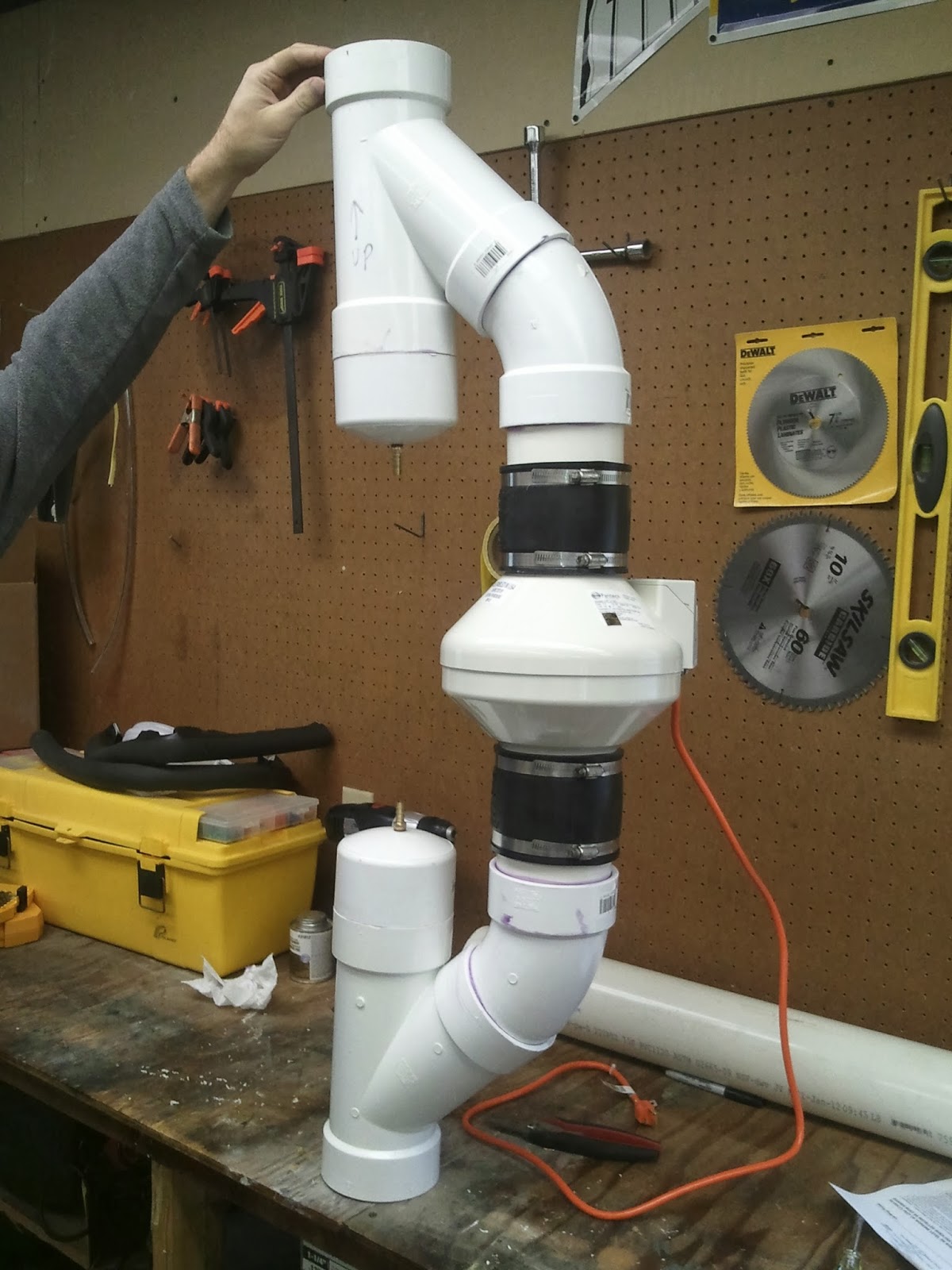
Radon mitigation system DIY is a way to reduce radon levels in your home by yourself. It involves drilling a hole in your foundation and installing a pipe to vent the radon gas outside. You can either run the pipe through your attic and out the roof, or directly outside through a wall. You will also need to install a fan to suck the radon gas up the pipe.
To install a radon mitigation system DIY, you will need the following tools and materials:
- Rotary hammer drill
- 3-4 inch PVC pipe
- Elbow joints
- Piping insulation
- Piping brackets
- PVC cement
- Radon mitigation fan
- Manometer
- Hydraulic cement
- Backer rod
- Hacksaw
- Sandpaper
- Jackhammer (optional)
- Roto driller (optional)
- Buzz saw (optional)
- Radon monitoring device
Once you have all of your tools and materials, follow these steps to install your radon mitigation system:
- Choose a location for the suction pit. The suction pit is a small hole that will be dug under your slab to collect radon gas. The best location for the suction pit is near the center of your home and away from any cracks or gaps in the slab.
- Drill a hole through the slab using the rotary hammer drill. The hole should be large enough to fit the PVC pipe.
- Dig a shallow pit under the hole to create the suction pit. The suction pit should be about 20 inches wide and 12 inches deep.
- Place the PVC pipe in the hole and extend it through the suction pit.
- Seal the hole around the PVC pipe with hydraulic cement.
- Run the PVC pipe through your attic and out the roof, or directly outside through a wall.
- Install the radon mitigation fan at the end of the PVC pipe.
- Seal all of the joints in the PVC pipe with PVC cement.
- Install a manometer to measure the radon levels in the suction pit.
- Test the system to make sure it is working properly.
Once your radon mitigation system is installed, it is important to test it regularly to make sure that it is still working properly. You can purchase a radon test kit at most hardware stores.
Important safety note: Radon is a radioactive gas that can cause lung cancer. If you are considering installing a radon mitigation system yourself, be sure to follow all safety precautions and wear appropriate protective gear. It is also a good idea to consult with a qualified radon professional to get advice on the best system for your home.
Sub-slab radon system (pocket83's DIY) – YouTube
Radon Mitigation Dirt Floor Basement – Flooring Ideas
Diy Radon Mitigation Mistakes / How I got my Radon levels down with DIY
Radon Mitigation System User Guide | SWAT Environmental
Radon Remediation System Diy : How To Mitigate Radon Gas
How To Make A Radon Mitigation System : Diy Radon Mitigation Systems
Radon: The Threat You Barely Know Anything About
Radon gas mitigation system with our PlumbStar USA sump check valve
DIY Radon Reduction System Tips | Family Handyman
Why Test For Radon
Radon Mitigation | Northwest Indiana | Lake, Porter, & LaPorte County
DIY Radon Reduction System Tips | Family Handyman
diy radon mitigation basement – For A Great Newsletter Photo Exhibition
Aliya diys: Best Diy Radon Mitigation System Installation
Diy Radon Mitigation System Sump Pump / Radon Gas Mitigation – Radon
DIY Radon Reduction System Tips | Radon mitigation, Radon, Fast setting
Radon Mitigation System Diy | Examples and Forms
What Is A Radon Mitigation System? – Can It Improve Your Air Quality?
Diy Radon Mitigation: How To Protect Your Home From Radon Gas – What